

In modern iGaming, mathematics and psychology have become inseparable. A decade ago, slot design was mostly about mechanics and graphics. Today, it is a careful orchestration of emotion, expectation, and control. The most innovative studios are no longer just building games – they are designing experiences that manipulate rhythm, anticipation, and reward frequency in the same way a filmmaker controls suspense.
Play the Latest Demo Slots from the Studios in the Article



The Emotional Architecture of a Slot
When players talk about their favorite slots, they rarely mention RTP percentages or pay tables. They describe how the game feels. That “feel” – whether it’s calm, chaotic, thrilling, or satisfying – comes down to a balance between volatility and pacing.
Volatility, in its technical sense, describes how often a slot pays and how big those wins can be. But to players, it’s something more instinctive. High-volatility games create tension and release through long dry spells followed by massive wins.
Low-volatility titles, on the other hand, build a rhythm of frequent but modest rewards, generating a sense of flow and predictability.
Every spin, sound cue, and visual flash contributes to what psychologists call a variable reward loop. This principle, rooted in behavioral science, is the same mechanism that keeps users scrolling on social media or returning to mobile games. It’s the intermittent, unpredictable nature of the reward that fuels dopamine – the neurotransmitter linked to motivation and pleasure.
Dopamine, Anticipation, and the Power of “Almost”
The slot experience doesn’t rely on winning alone. It’s the anticipation of the win that triggers the strongest neurological response. When a near-win occurs — two bonus symbols land and the third just misses — the brain releases dopamine similar to an actual win.
Game designers understand this deeply. Studios such as ELK Studios and Hacksaw Gaming fine-tune near-miss frequencies and visual cues to amplify suspense without breaching fairness standards. That flicker before a reel stops, or the pause before a bonus lands, is not random; it’s calculated timing designed to stretch emotional engagement to its peak.
Case Study: ELK Studios and the Art of Controlled Chaos
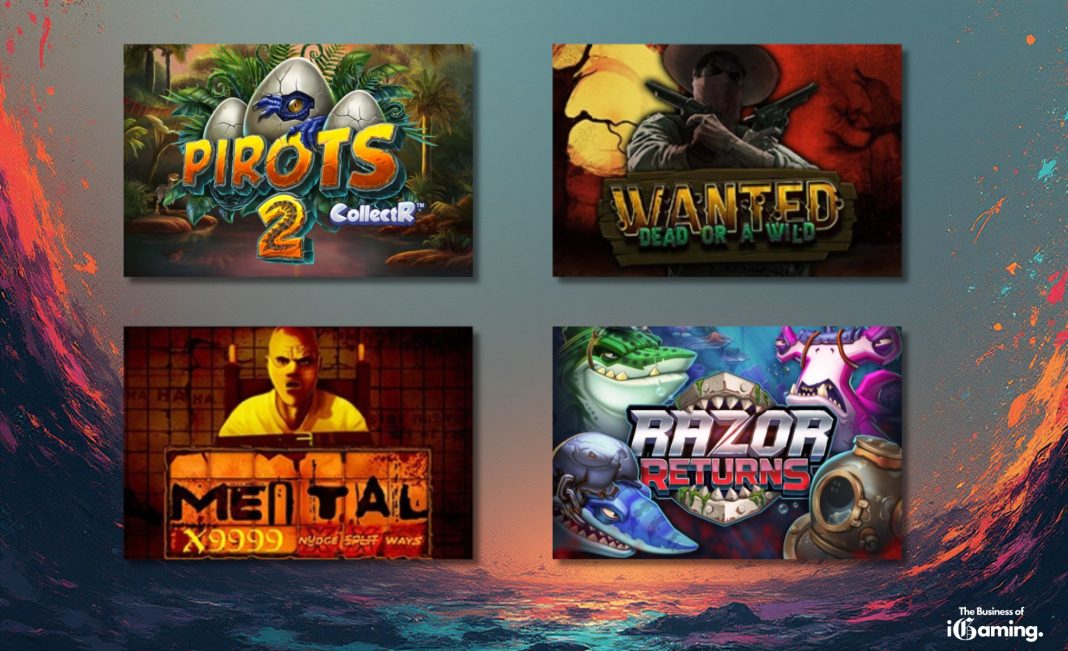
ELK Studios has become known for its ability to weave mathematical precision with cinematic tension. Titles like Pirots 2 and Tropicool don’t simply rely on graphics or features — they manipulate pacing through deliberate volatility shifts within a session.
ELK’s adaptive algorithms adjust perceived risk as the game unfolds. The goal is to maintain engagement by alternating calm periods with adrenaline spikes, much like a well-paced thriller. This blend of volatility and tempo creates a sense of narrative progression, keeping players emotionally invested beyond the reels.


The New Language of Risk
For many developers, volatility has become a design language in itself. Studios such as Push Gaming and NoLimit City are redefining what emotional balance means in a slot.
Push Gaming’s Razor Returns and Jammin’ Jars 2 demonstrate a mastery of “positive frustration” — the feeling of being so close to a big win that players want to keep chasing it. Their slots often feature cascading systems where each spin feels like a chain reaction, keeping the player’s focus locked on progression rather than loss.

NoLimit City, on the other hand, uses volatility as part of its brand identity. Its infamous “xNudge” and “xWays” mechanics turn unpredictability into spectacle. In games like Mental and Tombstone RIP, the sheer brutality of variance becomes the emotional hook. The player is not just gambling; they are braving the chaos willingly.
Case Study: NoLimit City – Turning Volatility into Art
NoLimit’s design philosophy embraces discomfort. Instead of smoothing the emotional edges, it leans into extremes — long dry streaks followed by moments of explosive catharsis. This mirrors the psychology of high-stakes risk-taking, where tension builds until it collapses into euphoria.
Players who enjoy this experience are not necessarily chasing wins; they are chasing intensity. The studio’s ability to make volatility itself an aesthetic choice represents a fundamental shift in user experience design.

Hacksaw and the Minimalist Dopamine Loop
Hacksaw Gaming approaches the psychology of play differently. Its games often feature clean design, fast pacing, and tight feedback loops. In Wanted Dead or a Wild and RIP City, visual restraint meets high risk, creating a leaner, sharper dopamine cycle.
The design logic is minimal: fewer distractions, stronger emotional contrast. Every spin carries more weight because the player’s attention isn’t diluted by clutter. The result is an experience closer to a rhythm game than a traditional slot.
Case Study: Hacksaw’s Control of Tempo
Hacksaw’s pacing is its secret weapon. The studio designs sound and animation timing to match the rhythm of anticipation. The moment before a spin resolves is slightly delayed, forcing the brain to hover in a heightened state of focus.
This microsecond tension amplifies reward impact, proving that user experience can be shaped not just by what players see — but by what they wait for.


Beyond Math: Toward Emotional Game Design
The evolution of slot UX mirrors developments in behavioral design across tech and entertainment. Studios now employ psychologists, sound designers, and narrative specialists alongside mathematicians. The challenge is to sustain engagement without crossing into manipulation.
Responsible studios are using the same insights to encourage healthy play. Features like session reminders, volatility toggles, and personalized pacing options are being introduced to give players more control over their emotional state. The best innovation lies not in exploiting psychology, but in respecting it.
Conclusion: Designing Emotion, Not Just Expectation
Volatility has become more than a mathematical setting – it’s a creative tool for emotional storytelling. Whether through ELK’s rhythmic pacing, Push Gaming’s cascading energy, NoLimit’s extremes, or Hacksaw’s minimalist intensity, the new UX of iGaming is built on feelings, not just functions.
As studios continue to refine the art of anticipation, one thing is clear: the most powerful slot designers of this era aren’t just mathematicians or artists. They are architects of emotion, crafting experiences where tension, timing, and dopamine intertwine to define the future of play.