

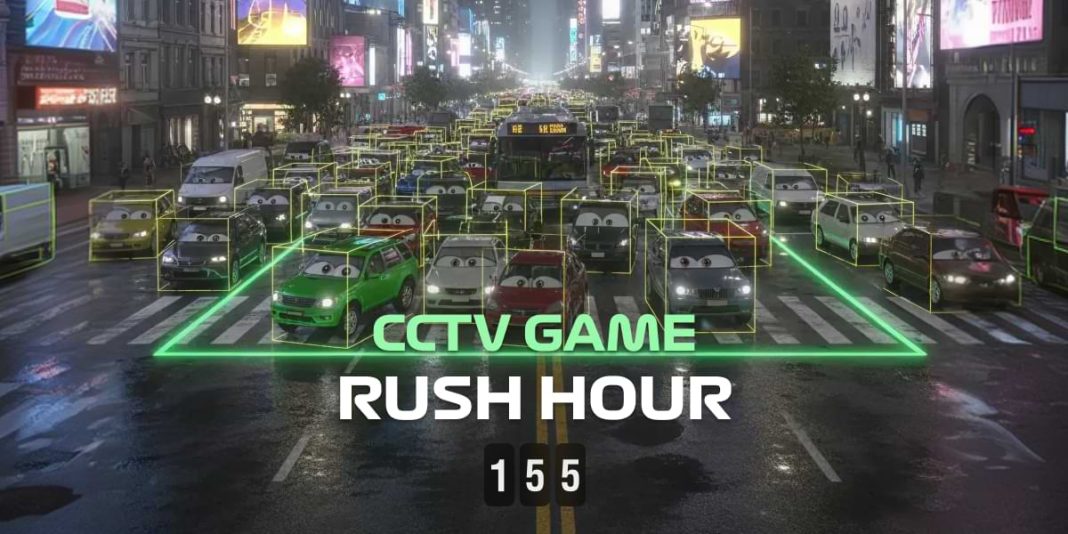

A few weeks ago, we published an analysis of a new format built around live CCTV traffic feeds. It quickly became one of our most visited articles — a strong signal that operators, affiliates and product teams are actively scanning the horizon for the next wave of innovation.
In an industry where “new” often means a modified bonus mechanic or a fresh skin on an existing slot framework, something genuinely different tends to stand out. And that is exactly what has happened with 155.io and its CCTV-based game, Rush Hour.
Now, with Stake, Shuffle and Roobet going live with the title, the discussion shifts from curiosity to legitimacy. Is this simply a novelty — or the beginning of a new micro-genre in iGaming?
From RNG to Real Roads
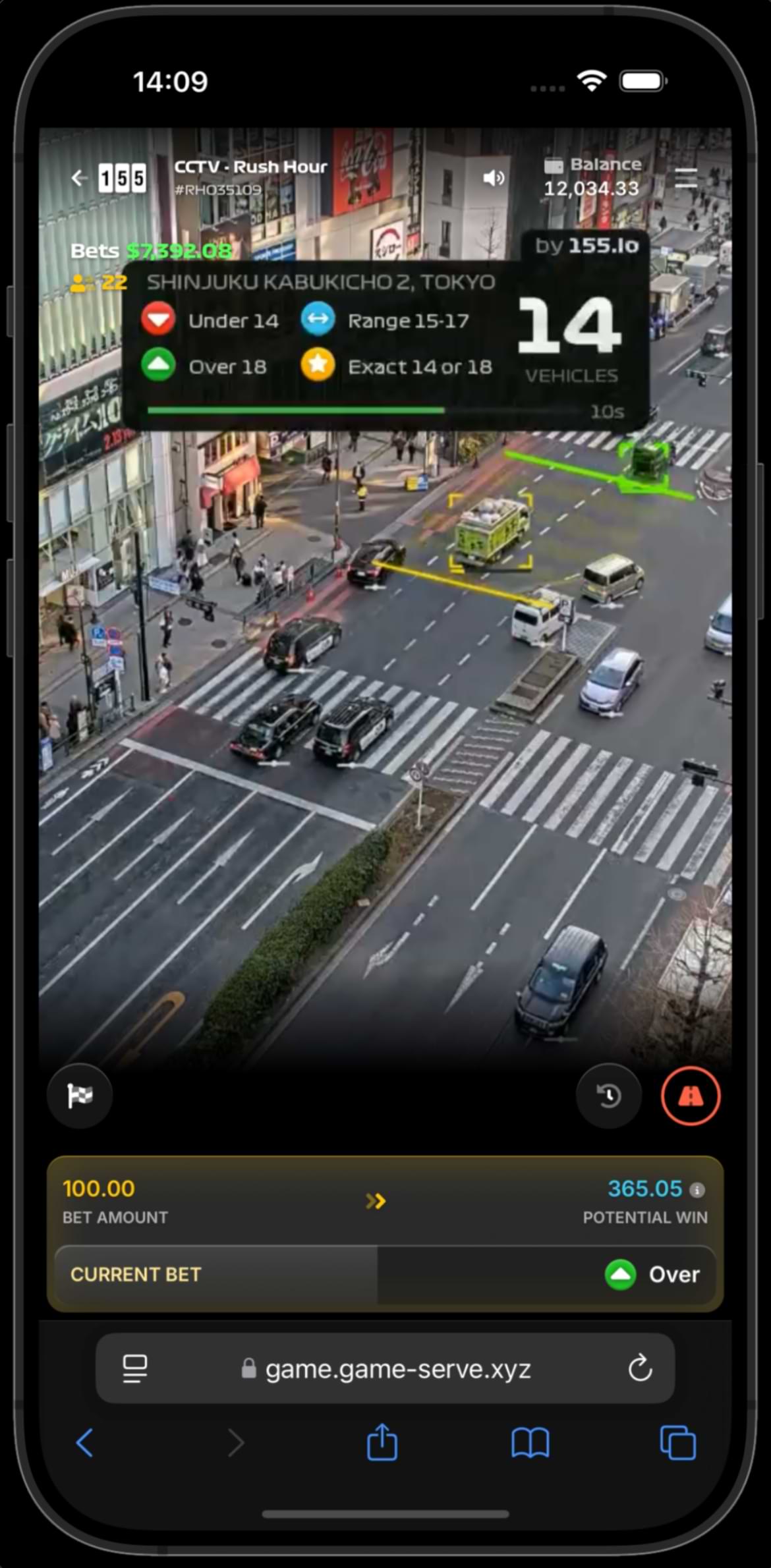
Rush Hour is the first title from 155.io’s CCTV.Game portfolio. Instead of reels, cards or spinning wheels, the gameplay is built entirely around live CCTV feeds from traffic intersections around the world. Players participate in short, sub-one-minute rounds, placing bets on clearly defined real-world outcomes such as how many cars pass through a junction or how many vehicles turn left within a set timeframe.
The key difference is structural. Traditional casino games are powered by random number generators or controlled live studio environments. Rush Hour removes that layer. Outcomes are shaped by the natural flow of real-world traffic — unscripted, unpredictable and continuously running.
This seemingly simple shift fundamentally changes perception. The game feels less like a simulation and more like participation in a live event. In an era where authenticity and transparency matter more than ever, that distinction carries weight.
The format also aligns perfectly with mobile consumption habits. Rounds are short, rules are intuitive, and there is no need for lengthy onboarding. You open the game, observe, decide, and the result unfolds in real time. For a generation raised on short-form content and instant feedback loops, the pacing feels natural.
Streaming Culture and the Crypto Audience
One of the strongest early signals has been engagement from streaming communities. According to the company, a single streamer generated more than five million views playing Rush Hour shortly after launch. That level of visibility is unusual for a brand-new game category.
The adoption by Stake, Shuffle and Roobet is equally telling. These crypto-native operators have historically been early movers in new formats, particularly those that perform well in social and streaming environments. Their player bases skew younger, mobile-first and highly engaged with creator-led content. Fast rounds, transparent mechanics and novelty-driven entertainment tend to outperform legacy formats in this segment.
In that context, Rush Hour does not feel random. It feels strategically aligned.
The game is available via Hub88 distribution as well as direct integration, lowering the barrier for additional operators to test the format. If early performance metrics remain strong, broader rollout could follow quickly.
The Official Development — Reframed
On 18 February 2026, 155.io confirmed that it had secured content collaborations with Stake, Shuffle and Roobet for Rush Hour. The studio describes the title as a 24/7 live experience powered entirely by real CCTV footage from locations worldwide.
Each round presents a defined observation window during which players place bets on traffic-based outcomes. Unlike traditional casino products driven by RNG, results are determined by observable real-world events captured live.
Founder and CEO Sam Jones stated that the speed of adoption has exceeded expectations. He highlighted strong data from multiple markets and emphasized that demand appears to be coming from players seeking alternatives to familiar casino structures. The company positions Rush Hour as part of a broader philosophy: real-world chaos translated into simple, mobile-first entertainment.
What stands out is not just the launch itself, but the speed at which major operators embraced the concept. In iGaming, early operator validation often serves as a proxy for internal performance metrics. Crypto casinos, in particular, tend to double down quickly when engagement data supports it.
A Gimmick or a Structural Shift?
Every new format in iGaming faces the same question: is this sustainable or simply a novelty spike?
CCTV-based gameplay sits at an interesting intersection. It borrows the immediacy of crash games, the authenticity of live casino, and the observational simplicity of micro-betting. Yet it does not fully belong to any of those categories. Instead, it feels like a hybrid built for streaming-era consumption.
There are, of course, broader considerations. Regulatory classification will be an area to watch, as real-world feeds blur the line between casino mechanics and event-based wagering. Scalability also matters. To maintain engagement, the ecosystem will likely need multiple locations, varied environments and evolving formats to prevent repetition.
But from a behavioral standpoint, the appeal is clear. Players understand traffic. They intuitively grasp volume, direction and momentum. There is no need to explain paylines or volatility indexes. The game replaces abstraction with observation.
In an industry that has spent years layering complexity on top of complexity, simplicity can feel disruptive.
The Beginning of iGaming’s “Reality Phase”?
Live dealers once seemed experimental. Crash games were initially dismissed as niche. Today both are mainstream verticals generating significant revenue.
CCTV gameplay may represent the next iteration in that evolution — a move toward embedding real-world unpredictability directly into betting mechanics. If so, this could mark the beginning of what might be described as iGaming’s “reality phase,” where authenticity becomes a product feature rather than a marketing claim.
The fact that our previous coverage quickly became one of our most read articles suggests the industry is paying attention. Operators are clearly exploring formats that resonate with a generation less attached to traditional slot mechanics and more interested in live, shareable, real-time experiences.
Whether Rush Hour becomes a long-term standalone category or simply opens the door to broader real-world game concepts remains to be seen. What is certain, however, is that innovation in iGaming is no longer confined to new symbols, bigger multipliers or incremental bonus tweaks.
Sometimes the next big idea is not about building a new virtual world.