


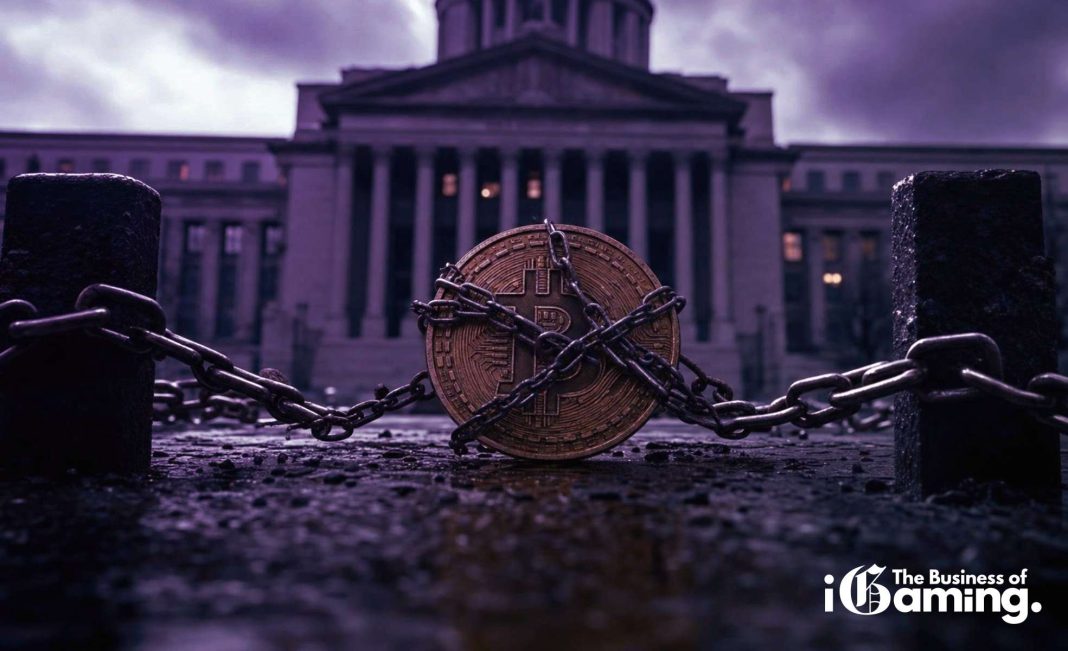

The rise of cryptocurrency has dramatically transformed financial landscapes, yet it faces ongoing challenges, particularly from regulatory bodies. As authorities tighten their grip on the industry, prediction markets in crypto are experiencing a chilling effect that could hinder innovation and growth.
The Implications of Regulatory Oversight
Regulators across the globe are increasingly scrutinising cryptocurrency activities to mitigate perceived risks such as fraud, market manipulation, and investor protection. Such regulatory oversight, while aimed at fostering a safer trading environment, may inadvertently stifle the very innovation it seeks to promote. For instance, the recent warnings issued by Japanese crypto exchange Bitbank regarding prediction market activities highlight the growing unease among platforms regarding compliance. As global regulators tighten their scrutiny, many exchanges remain uncertain about their operational futures.
Understanding Prediction Markets
Prediction markets allow participants to bet on the outcome of future events, offering a unique means of aggregating information and beliefs about those events. However, their volatile nature and the speculative behaviour they promote make them a focal point for regulators. As various nations introduce legislation targeting cryptocurrencies, the implications for prediction markets are profound. Stricter compliance measures could deter participation, thereby reducing liquidity and limiting the information utility these markets provide.
The Risks of Over-Regulation
While regulation aims to protect consumers, over-regulation can inhibit market function and diminish the enthusiasm surrounding emerging technologies. Companies operating in the crypto space might find themselves navigating a labyrinth of compliance requirements, hindering their ability to innovate. This effect is especially significant in environments where prediction markets are prevalent, as potential participants may be scared off by the regulatory complexities or possible legal repercussions. As Peter Schiff notes in his critiques of Bitcoin, the industry’s volatility is not merely a financial concern but a regulatory one as well.
Global Trends in Regulation
The regulatory landscape differs significantly across countries, with some embracing cryptocurrency technology and others pursuing more restrictive measures. For example, while countries like El Salvador have taken bold steps to adopt Bitcoin as legal tender, other jurisdictions are enacting robust regulations to maintain financial stability and consumer protection. This patchwork of regulatory approaches leads to confusion and uncertainty for crypto projects and prediction markets alike, complicating their operational strategies.
Potential Outcomes for Prediction Markets
As regulators continue to develop frameworks to govern the cryptocurrency sector, the future of prediction markets hangs in the balance. If excessive regulations are imposed, it may lead to a decline in these markets’ popularity, adversely affecting the overall crypto ecosystem. However, a balance can be achieved wherein regulations ensure market integrity while still allowing room for innovation. The evolution of prediction markets will likely depend on how agile regulators can be in adapting their approaches to emerging technologies.
Long-term Perspectives
Despite the tight regulatory knots surrounding prediction markets, some industry leaders remain optimistic. They argue that the integration of new technologies, like AI, into prediction markets may provide innovative solutions to regulatory challenges. For instance, the integration of smart contracts and blockchain technology could create self-regulating systems that mitigate the need for excessive governmental oversight. As companies like Coinbase express bullish long-term views on cryptocurrency growth, the potential for prediction markets to contribute to that growth remains strong.