
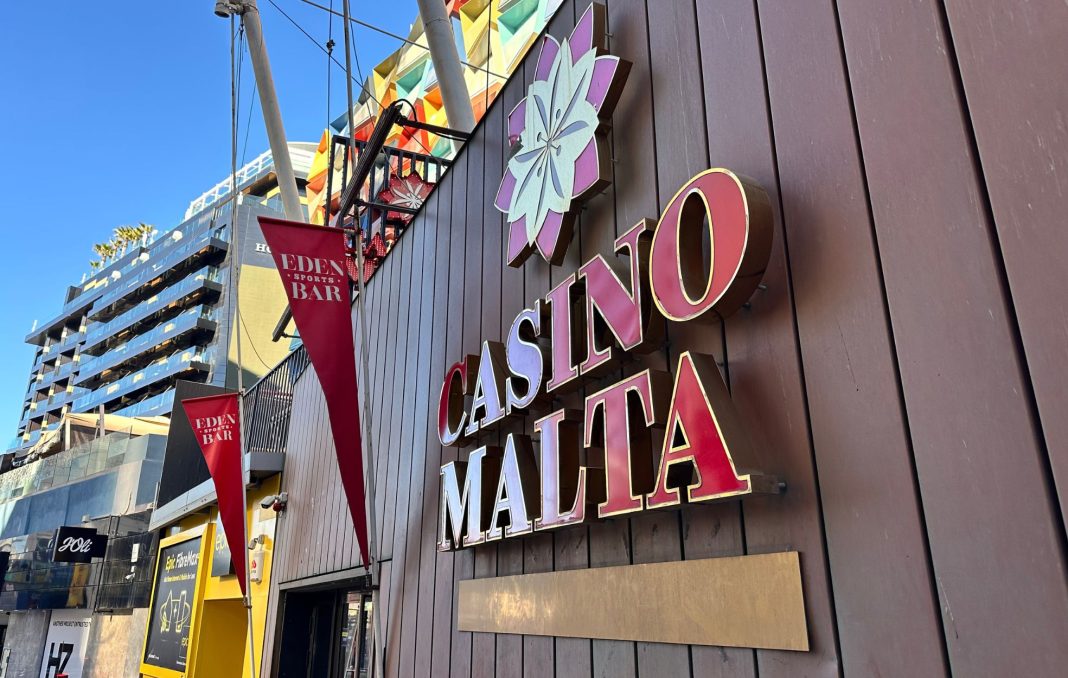

Malta, a Mediterranean archipelago better known for its historic fortresses and sun-drenched coastlines, is today synonymous with a very different kind of empire—one built not on geography or military might, but on servers, software, and regulatory foresight.
While its population hovers just above half a million, Malta has become one of the most influential players in the global iGaming industry. From household sportsbook names to rising crypto casinos, an impressive number of online gaming companies have chosen Malta as their operational home.
But how did this tiny EU member state pull it off – and what does its future look like as regulatory scrutiny intensifies globally?
Betting on a Digital Future
The seeds of Malta’s transformation were planted in the early 2000s. At the time, the online gaming sector was still in its infancy – an unregulated frontier filled with promise and risk in equal measure. While many countries hesitated, fearing the reputational risks and legal gray areas associated with online gambling, Malta leaned in.
In 2004, Malta became the first EU member state to fully regulate remote gaming, launching what would become the Malta Gaming Authority (MGA).

The MGA wasn’t just a rubber-stamp institution – it was a proactive, agile, and business-friendly regulator that struck a rare balance: protecting consumers while remaining attractive to operators.
Malta’s Role in iGaming
| Aspect | Details |
|---|---|
| Regulatory Pioneer | First EU country to regulate online gambling (2004) |
| Licensing Authority | Malta Gaming Authority (MGA), globally respected |
| License Types | B2C (operators), B2B (suppliers), four main license classes |
| Business Advantages | Tax incentives, EU access, skilled workforce, strong legal framework |
| Economic Impact | 13% of GDP, ~10,000 employees, attracts global investment |
| Compliance Standards | High: AML, responsible gaming, player protection, regular audits |
| Global Influence | MGA license recognized worldwide; sets regulatory benchmarks |
Building an Ecosystem
Regulation was only the first step. Malta set about building a full-fledged ecosystem for iGaming companies – something no other country had done so comprehensively.
It offered low corporate tax rates, fast-track licensing, a multilingual workforce, and easy access to European markets. The government simplified bureaucracy, invested in digital infrastructure, and supported specialized education programs like those offered by the iGaming Academy and the University of Malta.

As the island attracted more operators, a support network of legal firms, compliance experts, fintech startups, affiliate networks, and server infrastructure providers quickly followed.
The result was a self-sustaining ecosystem where companies could build, launch, and scale from a single location.
A Magnet for Talent – and Controversy
By the late 2010s, Malta had become the undisputed hub of iGaming in Europe. At its peak, the sector accounted for over 13% of the country’s GDP and directly employed more than 10,000 people. Valletta’s office towers and co-working spaces were filled with young professionals from Sweden, the UK, Italy, and beyond.
But Malta’s success also attracted controversy. Journalistic investigations, including the now-famous reporting of Daphne Caruana Galizia, raised questions about money laundering, shell companies, and weak enforcement in certain parts of the financial and gaming sectors. While the iGaming industry was not always directly implicated, the criticism painted a broader picture of regulatory gaps.

In 2021, Malta was placed on the FATF grey list – an international watchlist of jurisdictions with strategic deficiencies in combating money laundering and terrorist financing. It was a reputational blow and a wake-up call.
The government moved quickly to tighten compliance frameworks, modernize its anti-money laundering rules, and increase transparency across financial and corporate sectors. By 2022, Malta was removed from the grey list, and the MGA introduced a stricter framework around player protection, responsible gambling, and B2B licensing.
Innovation and Specialization
Despite the scrutiny, Malta has continued to evolve. The sector is no longer just about slots and sportsbooks. New verticals, such as blockchain gaming, live dealer technology, and esports betting, have become growth engines.
Companies are increasingly focused on gamification, artificial intelligence, and player personalization.
The MGA has adapted, too, issuing sandbox licenses for blockchain-based gaming and working with tech partners to understand the implications of crypto betting and NFTs in the gambling space.
The Global Chessboard
Today, Malta finds itself in a more competitive landscape. Countries like Curaçao, the Isle of Man, and even emerging European states are revamping their licensing frameworks. The UKGC and Sweden’s Spelinspektionen offer stricter, but also increasingly respected, regulatory environments.
Meanwhile, iGaming’s global expansion into North America and Asia presents both challenges and opportunities. Maltese-licensed operators looking to expand abroad must now comply with a patchwork of national laws, from Ontario’s provincial licensing to Japan’s complex restrictions.
Yet, despite this, Malta remains the jurisdiction of choice for a large part of the European market. Its credibility, once questioned, is now reinforced by nearly two decades of regulatory evolution and political commitment.
The Next Phase: Quality Over Quantity
There’s a growing consensus in Malta’s iGaming circles that the era of high-volume operator licensing is over. The focus now is on quality, innovation, and sustainability. New MGA guidelines emphasize responsible gaming, player data protection, and clear affiliate accountability.
At the same time, Malta is fostering closer collaboration between gaming companies and the fintech sector. With the rise of instant payments, open banking, and embedded finance, this cross-pollination could define the next chapter of Malta’s iGaming dominance.
Conclusion: A Legacy Still in the Making
Malta didn’t become a superpower in iGaming by accident. It was a deliberate strategy – a blend of foresight, regulatory leadership, and economic opportunism. The road hasn’t been without its bumps, but few can argue with the results.
Today, Malta stands not just as a hub, but as the industry’s benchmark. And as the global digital economy continues to expand, the lessons from this tiny island are being studied in capitals far beyond the Mediterranean.
Facts: Malta iGaming at a Glance
- MGA Established: 2001
- First EU Remote Gaming Regulations: 2004
- iGaming Share of GDP: ~12%
- Companies Licensed by MGA (2024): Over 350
- Employees in the Sector: Approx. 9,000
- Languages Spoken in Sector: English, Swedish, Italian, German, and more
- Tax Benefits: Effective corporate tax rate ~5% (via refunds structure)
- Recent Innovations: Sandbox for crypto gaming, focus on responsible gambling, B2B expansion