



A popular tool with an unproven payoff
Casino operators run lottery-style promotions constantly. They are visible, easy to explain and popular with marketing teams. The question that gets asked less often is whether they actually change how players behave. A 2018 field study in the International Journal of Hospitality Management describes these promotions as ubiquitous and expensive, and says their incremental profitability remains questionable.
That gap between popularity and proof is the story here. If you cannot show that a promotion creates extra play, its cost is simply a discount on existing revenue.
What the field study found
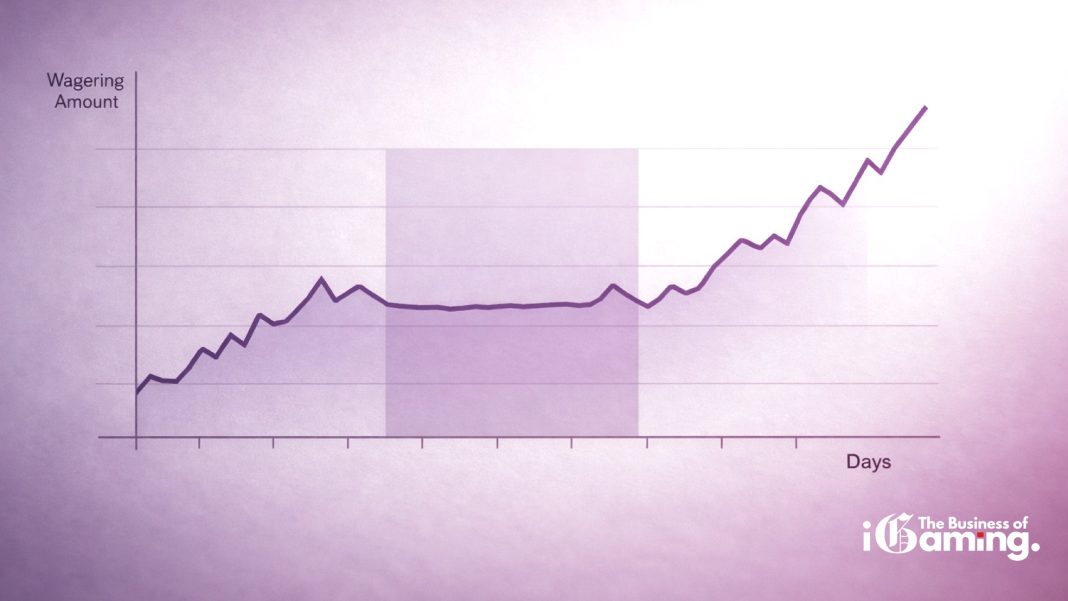
The study by Anthony Lucas drew on daily performance data from an Australian casino over a two-year period. It compared promotional and non-promotional periods. Three lottery promotions failed to affect daily slot wagering, which left the operator with the costs and no measurable lift.
The result is useful precisely because it is unflattering. It came from a field setting rather than a laboratory, and it measured actual wagering rather than entries or sign-ups. It is still one casino in one market, so it should not be read as a verdict on every promotion. It is, however, a clear warning that a promotion can look busy without moving the numbers that matter.
Why some promotions fail
The study draws on wider research into sweepstakes and promotional games. That literature recommends several improvements: better targeting, revised prize structures, skill-based elements and image-based advertising. The promotions in the study lacked all four.
In practical terms, a promotion that sends the same message to every player, offers a prize structure that feels distant and asks for nothing more than a click is unlikely to change behaviour. Targeting, a clear prize ladder and an element that rewards attention may matter more than the size of the top prize.
The case for the upside anyway
There are still reasons to believe the upside is real, provided it is measured properly. The Foxwoods example is a good starting point. Its scratch-off promotion with the Connecticut Lottery was reported as the fastest selling in Connecticut’s lottery history. Panellists at the same industry event argued that once a gamification plan is in place, it can keep running with little reinvention.
The lottery data points in the same direction. Optimove’s analysis, drawn from several casino and lottery brands, found that lottery players who had also played casino games showed a 69 per cent higher average future value than those who had not. That is a strong signal, but it shows correlation. Engaged players may be more likely to try both products for the same reasons, so the promotion itself may not be the cause.
Aggregators are also investing in this space. Hub88’s partnership with LuckyDraw, a prize draw platform launched in early 2026, reflects a belief that prize mechanics can lift loyalty and lifetime value. Belief is not evidence, though, which is why measurement matters so much.
Why market forecasts add to the uncertainty
Forecasts for the wider online lottery category do not agree either. Expert Market Research projects a compound annual growth rate of 3.2 per cent, while The Business Research Company’s estimate for the same period sits at 9.3 per cent. That spread matters because a promotion’s business case often relies on an assumed market growth rate. If the growth assumption is wrong, the promotion can look better or worse than it really is.
How to test the real upside
A promotion should be judged on incremental behaviour, not on how many players took part. The most reliable design is a holdout group that does not receive the promotion, compared against a group that does. The Lucas study shows why this matters: a promotion can look busy while daily wagering stays flat.
- Set a baseline period before launch so you can compare like with like.
- Use a holdout group and measure the difference in wagering, not just entries.
- Track cost per incremental wager, and set the threshold before the promotion runs.
- Test one variable at a time, such as targeting or prize structure, so you know what drove any change.
- Run the test long enough to see whether the lift lasts after the promotion ends.
Bottom line
Casino lottery promotions can work, but popularity does not prove value. The best evidence available suggests that results depend on targeting, prize design and measurement discipline. Before you approve the next promotion, ask for a holdout plan and a clear threshold for incremental wagering, and treat the answer as the real test of the campaign.