


Most European operators have filed the US sweepstakes casino under “American problem, not ours”. It is easy to see why. The dual-currency structure, where players buy Gold Coins with no cash value and receive promotional Sweeps Coins that can be redeemed for prizes, exists because of a specific gap in US state law. If you are licensed in Malta, Sweden or Ontario, it looks like a legal curiosity you will never need to understand.
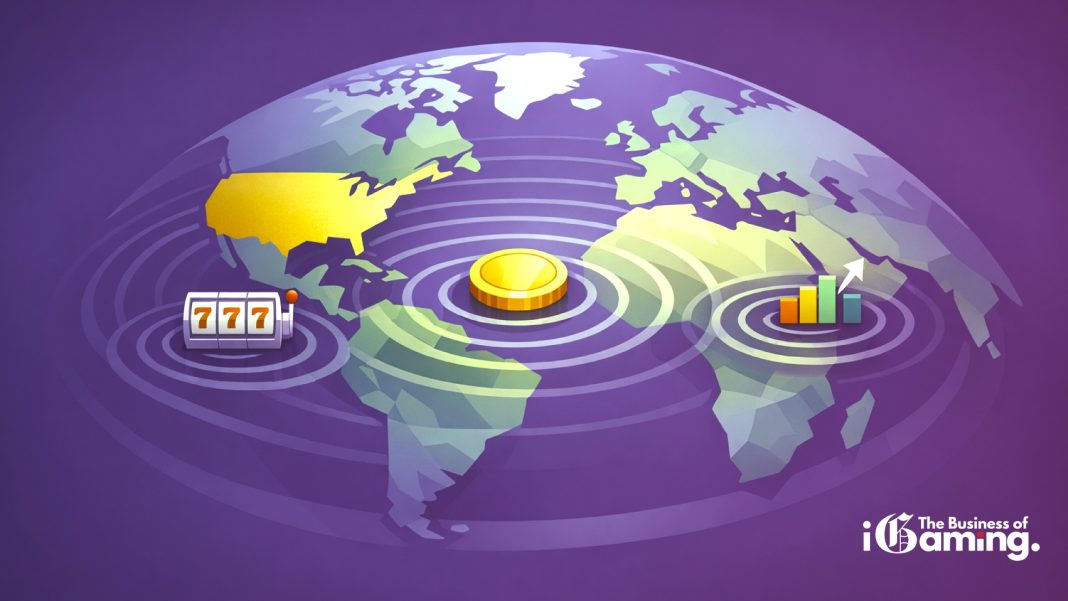
That reading is comfortable and wrong. The sweepstakes casino model impact is already showing up in supplier roadmaps, affiliate rate cards and talent markets that have nothing to do with the United States. Treating it as a loophole misses the point. It is behaving more like a leak, and leaks spread.
What sweeps actually changed
Set aside the legal debate for a moment and look at the model as a business. Sweepstakes operators reach players in states where regulated online casino does not exist. They advertise on platforms where licensed operators are restricted or banned. They do not pay gaming tax in the conventional sense, and their KYC obligations have historically been lighter than a licensed casino’s, though that is now tightening under state pressure.
Lower acquisition cost, wider reach, lighter compliance overhead. Whatever you think of the ethics, that is a formidable commercial engine. And engines that size do not stay in one market. They pull the people and companies around them into orbit.
Leak one: game studio roadmaps
Ask a mid-sized slot studio where their US revenue comes from and you may be surprised by how much of it is sweeps. Several studios that would once have built content primarily for the regulated European market now design with sweepstakes operators in mind, because that is where the volume and the willingness to pay for exclusives has been.
The consequences reach European lobbies. Games built for the sweeps audience tend to favour high volatility, aggressive bonus buy mechanics and a visual language borrowed from social casino. When a studio prioritises that catalogue, it is what European operators get offered next quarter, whether or not it suits their player base or their regulator.
There is a second-order effect on certification. Content built for sweeps can move faster because it is not waiting on a regulated market’s testing regime. Studios that get used to that pace can start treating regulated certification as the slow lane rather than the standard.
Leak two: affiliate pricing
Affiliates who have been paid by sweepstakes operators know something the rest of the industry is only starting to notice. When a well-funded vertical needs traffic quickly and cannot use conventional advertising channels, it pays affiliates handsomely. That resets expectations.
An affiliate site that has grown used to sweeps-level CPA rates does not quietly accept a lower rate from a regulated European brand. It either pushes for more, or it reallocates its best real estate to the partner that pays best. Operators in markets with tight bonus rules and high tax are effectively competing for affiliate attention against a business model that has neither.
This is not a hypothetical. Anyone who has renegotiated an affiliate deal in the last two years with a partner that also runs US traffic will recognise the shift in tone.
Leak three: talent and capital
Sweepstakes operators hire from the same pool as everyone else. Product managers, CRM specialists, payments people and compliance staff who cut their teeth at licensed operators have moved across, attracted by growth and equity. The reverse is also happening, with people who learned aggressive growth tactics in sweeps bringing those instincts to regulated brands.
Capital follows the same path. Investors who have seen the margins available in sweeps are less patient with the slower, taxed, heavily regulated returns available elsewhere. That changes the questions a European operator faces from its board, even if the operator itself never touches the model.
Why the regulatory backlash makes it worse, not better
Several US states have moved from watching sweepstakes to acting against it, through legislation, enforcement letters and litigation. It is tempting to assume that as the model is squeezed at home, the spillover fades.
The opposite may be true. Companies built on sweeps, with the tooling, content and acquisition playbooks that go with it, do not simply close when a state says no. They look for the next jurisdiction with a similar gap. Some of those gaps are in Latin America, some in Asia, and some are in the grey edges of European markets where “social casino with prizes” has not yet been defined. The sweepstakes casino model impact is likely to travel with the companies, not stay with the law that created it.
What operators outside the US should do
- Audit your suppliers’ revenue mix. Know how much of your key studios’ income depends on sweeps, because it predicts what they will build next.
- Benchmark affiliate rates against the whole market, not just your peers. If your best affiliates also run US traffic, you are already in a bidding war whether you know it or not.
- Watch your own regulator’s language on social casino and prize mechanics. If it is undefined, someone will test it.
- Decide in advance what your position is. Operators that have thought through whether they would ever run a sweeps-style product, and why or why not, respond faster when the question arrives from a board or a partner.
Not your market, still your problem
Sweepstakes will be resolved in the United States one way or another, probably slowly and state by state. The model’s influence on studios, affiliates and talent will outlast that process, and it is already in your building.
If you have seen this play out in your own supplier or affiliate negotiations, Business of iGaming wants to hear the specifics. Get in touch, and keep an eye on our coverage of the US sweepstakes market as the picture develops.