



If you were starting an iGaming company from scratch in 2026, would you really build “another casino”? The honest answer for most founders should be no. That market is crowded, marketing spend is brutal, and the operators with the deepest pockets tend to win the paid acquisition war before a challenger even gets out of the gate.
The more interesting opportunity is to build a technology-first company that happens to operate in iGaming, rather than a casino that bolts on some technology later. Here is a phased way to think about it.
Phase 1: Pick One Niche, Not Everything
The temptation when building an operator is to launch a full-scope casino, sportsbook and poker room all at once. Resist it. A tightly focused product is easier to build, easier to market and far easier to differentiate.
Worthwhile starting points include an AI-powered sportsbook, a free-to-play-first social casino, crash games, an online lottery product, sweepstakes gaming where it is legally permitted, or B2B tools built for operators rather than players. Each of these is a real, addressable market on its own, and each rewards a founder who goes deep rather than wide.
Phase 2: Get the Licence That Matches the Market, Not the Cheapest One
Licensing decisions get made backwards more often than they should. Founders pick the cheapest or fastest option first and worry about market fit later. It should be the other way round.
Curaçao remains a lower-cost entry point for operators targeting less regulated markets, while Anjouan can suit certain use cases where it is legally appropriate. For anyone targeting premium regulated markets, the Isle of Man or Malta carry more weight with banks, payment providers and players alike. Curaçao itself, incidentally, is this Dutch Caribbean constituent country of the Kingdom of the Netherlands, which explains why its gaming framework sits under Dutch oversight even as it operates independently in practice.
The right licence is the one that matches your target markets. A premium licence is wasted on a market that does not need it, and a bargain licence will actively work against you in a market that does.
Phase 3: Don’t Build Everything Yourself
One of the most common mistakes new operators make is trying to build the entire stack in-house. It is slow, expensive and rarely the best use of a founding team’s time.
Established providers already do a strong job of game aggregation, payment gateways, KYC and AML checks, CRM, affiliate platforms and responsible gambling tools. Buying these components lets a small team focus its own development effort where it actually matters: the customer experience and whatever makes the product genuinely different from the next operator’s site.
Phase 4: Make AI the Core Advantage, Not a Chatbot Bolt-On
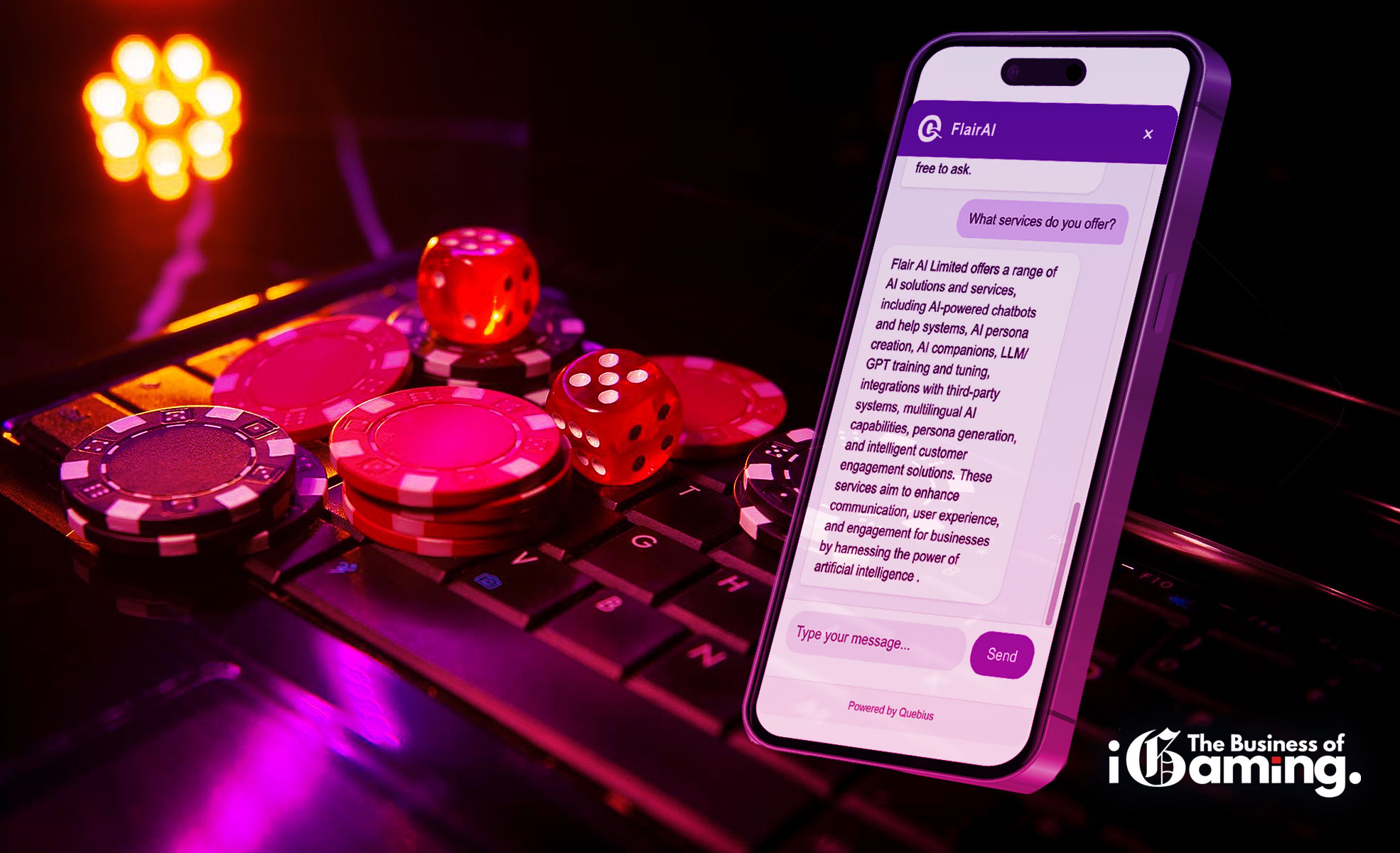
Most operators still treat AI as something that lives in a support widget. That is a missed opportunity. AI works best when it runs through the entire business rather than sitting in one corner of it.
Used properly, it can drive personalised game recommendations, AI-assisted VIP hosting, fraud detection, churn prediction, marketing automation, customer support and responsible gambling monitoring. Done well, this combination can meaningfully lower operating costs while actually improving the player experience rather than making it feel more automated and impersonal.
Phase 5: Build a Brand, Not Just a Casino
Walk through ten operator sites and most of them look the same: similar colour schemes, similar lobby layouts, similar loyalty tiers named after gemstones. That sameness is an opportunity for anyone willing to do something different.
A brand with a clear personality, a genuine social media presence, community features, gamification and loyalty mechanics that feel like a game rather than a cashback calculation will stand out simply by not looking like everything else on the market.
Phase 6: Diversify Player Acquisition
Relying almost entirely on Google Ads is an expensive habit, and one that gets more expensive every year as competition for the same keywords intensifies. It also leaves an operator with no owned audience the moment the ad spend stops.
Affiliates, streamers, YouTube, TikTok where platform rules allow it, SEO, email marketing, partnerships and referral programmes all diversify that risk. This is also where how AI search is reshaping affiliate traffic becomes relevant, since the channels that used to guarantee traffic are shifting under operators’ feet. Owning an audience is worth far more long-term than continually renting one.
Phase 7: Think B2B as Well as B2C
Some of the highest margins in iGaming sit in supplying technology to operators rather than running a casino brand yourself. AI-driven CRM, risk management, bonus optimisation, affiliate management and customer support automation are all products operators will pay recurring fees for.
Selling software instead of, or alongside, running a consumer brand creates recurring revenue with considerably less regulatory exposure than operating as a licensed casino in multiple markets at once.
An Illustrative Budget: Where €1 Million Might Go
Every business is different, but a rough allocation for a €1 million early-stage build might look like this:
- 25% product and development
- 20% marketing
- 15% licensing and legal
- 15% working capital
- 10% AI infrastructure
- 10% payments and fraud prevention
- 5% contingency
The proportions matter more than the exact figure. Product and development take the largest share because the product is the differentiator. Licensing and legal get a meaningful slice because getting this wrong is expensive to fix later. AI infrastructure earns its own line item rather than getting folded into general development, because if AI is meant to be a genuine advantage rather than a feature, it needs dedicated budget and dedicated attention from day one.
Where the Next Five Years of Opportunity Sit
A few themes look likely to matter more, not less, over the next five years: AI-native operators built around automation from the outset, deeply personalised player experiences, instant withdrawals as a baseline expectation rather than a selling point, mobile-first design, community and social features, localised content for emerging markets, and compliance technology that helps operators keep pace with regulation that keeps shifting under them.
None of these are exotic bets. They are extensions of trends already visible today, aimed at operators willing to build for where the market is heading rather than where it has already been.
The Real Opportunity Is the Platform, Not Just the Brand
The founders best placed to act on this are the ones who already understand the industry from the inside: people with existing iGaming experience, some grounding in AI product development, and an understanding of affiliate marketing and B2B partnerships. That combination is rarer than it should be, and it is exactly what turns a single operator into a genuine platform play.
Rather than launching another generic casino, the more durable move is an AI-first platform that combines gaming, affiliate management, player intelligence, CRM and automation into a single ecosystem. Operators built this way can run their own consumer brands while also licensing the underlying platform to other operators, creating both B2C and recurring B2B revenue at the same time. It is a harder build than a single casino brand, but it is also a far more defensible one, and it is worth asking which operators are best placed to lead the market by 2030 before deciding where your own build should sit.
Building a technology company that happens to operate in iGaming, rather than a casino with some AI sprinkled on top, is the more interesting bet for 2026. Explore more of our Insights and Innovation coverage on The Business of iGaming, and sign up to our newsletter to keep track of how this space develops.