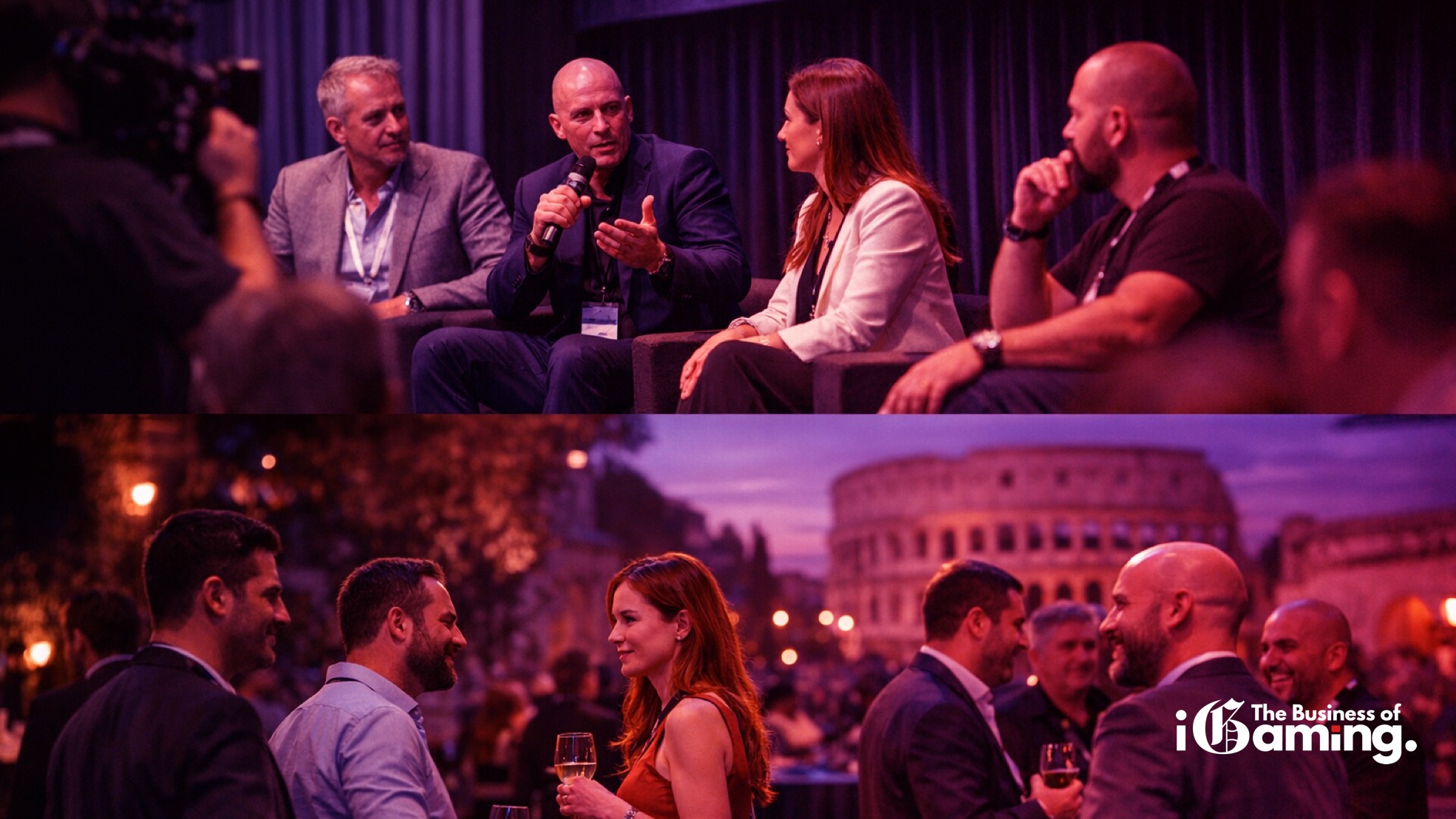




Walk into any iGaming trade show and you will hear the same question over the coffee urn: how many of these can anyone realistically attend? The calendar has grown quickly. Operators, affiliates, suppliers and regulators now face a steady stream of summits, expos and networking nights across Europe, the Americas, Asia and Africa. The honest answer is that the industry has more events than most people can use well. That is not the same as saying the events are worthless.
A calendar that keeps filling up
The sheer volume is hard to dispute. One 2026 guide maps 28 events across twelve months and scores them by operator relevance and attendance return. Another list of the biggest conferences for 2026 and 2027 features 16 of the most influential events alone. Regional calendars add to the pile. Latin America alone hosts multiple GAT Expo, SBC, SiGMA and CGS events in a single year.
Part of this growth follows the market itself. One 2026 industry analysis puts the global online gambling market at around USD 101.45 billion, up from USD 91.63 billion in 2025. A market growing at that pace will attract organisers, and organisers will attract sponsors. A shrinking calendar would be the surprise.
Timing adds pressure. September is one of the busiest months on the 2026 calendar, which means a single autumn can require a team to be in several cities within a few weeks. Conference fatigue has become common enough that one industry publication ran a piece asking directly whether attendees were under burnout. Its advice was to choose carefully and feel free to skip events that do not make strategic sense.
Not all events are the same
The problem is rarely the number of events in the abstract. It is the number of events that offer little beyond a stand, a branded lanyard and a few panel sessions that could have been a webinar.
Many attendees now sort events into two broad kinds. The first is the working event: a focused conference with the right decision-makers, a clear agenda and real chances to meet partners or prospects. The second is the visibility event, such as a large expo where a company is present mainly so that it is not absent. Both have a place, but they rarely deserve the same time or budget.
Some organisers have responded by merging sectors into single events, combining iGaming with payments, sports betting, esports or lotteries. Supporters argue this makes each event more useful, because the audience spans the whole value chain. Critics, in our view, have a fair point: broad events can dilute the content and leave specialists with less to take home. The truth probably depends on the individual event.
The case for keeping the calendar full
It would be unfair to treat every event as surplus. For newcomers, conferences are often the fastest route into the industry. They offer education, introductions and a clearer sense of who does what. For established players, they are a chance to test strategy against what competitors are doing, meet suppliers face to face and hear early signals from regulators and markets.
Relationships are the other reason. Industry deals often begin with a conversation that would be hard to arrange by cold email. One industry guide makes the point that the sector runs on relationships and market intelligence, and both are harder to build without time in the same room. A dense calendar is a sign of a busy, growing market, and there is a reasonable argument that the industry is healthier for it.
So is there a problem?
Yes, though it is a problem of selection rather than supply. The main risks are these:
- Time and cost. Travel, accommodation and staff hours add up quickly, especially for smaller affiliates and suppliers.
- Diluted attention. A team that tries to cover everything often gains little from any single event.
- Fatigue among the people who matter most. The executives organisers most want to attract are also the ones with the least spare time.
- Work left undone at home. Every week on the road is a week not spent on product, compliance or client relationships.
None of these points argues for abolishing events. They argue for attending fewer, better ones.
How to choose
A practical test helps. Before booking, ask four questions:
- Will the people I need to meet be in the room, and will I have time to speak with them?
- Does the agenda address a problem my business is trying to solve this year?
- Could I achieve the same goal with a targeted meeting, a call or a visit?
- What will I do with what I learn in the two weeks after I return?
If an event fails most of these, it is probably worth skipping. If it passes, go with a plan. Book meetings in advance, set specific goals and assign someone to report back. Attending without preparation is the most expensive form of networking.
The verdict
There are too many iGaming events if you measure success by how many you attend. There are not too many if you measure it by what you take away from them. The calendar will keep growing while the market does. The sensible response is not to stop going, but to become more selective, better prepared and more honest about which events genuinely move the business forward.
Before you commit to your 2027 schedule, run the four questions above against each event on your shortlist. Keep the ones that pass, and be willing to drop the rest.