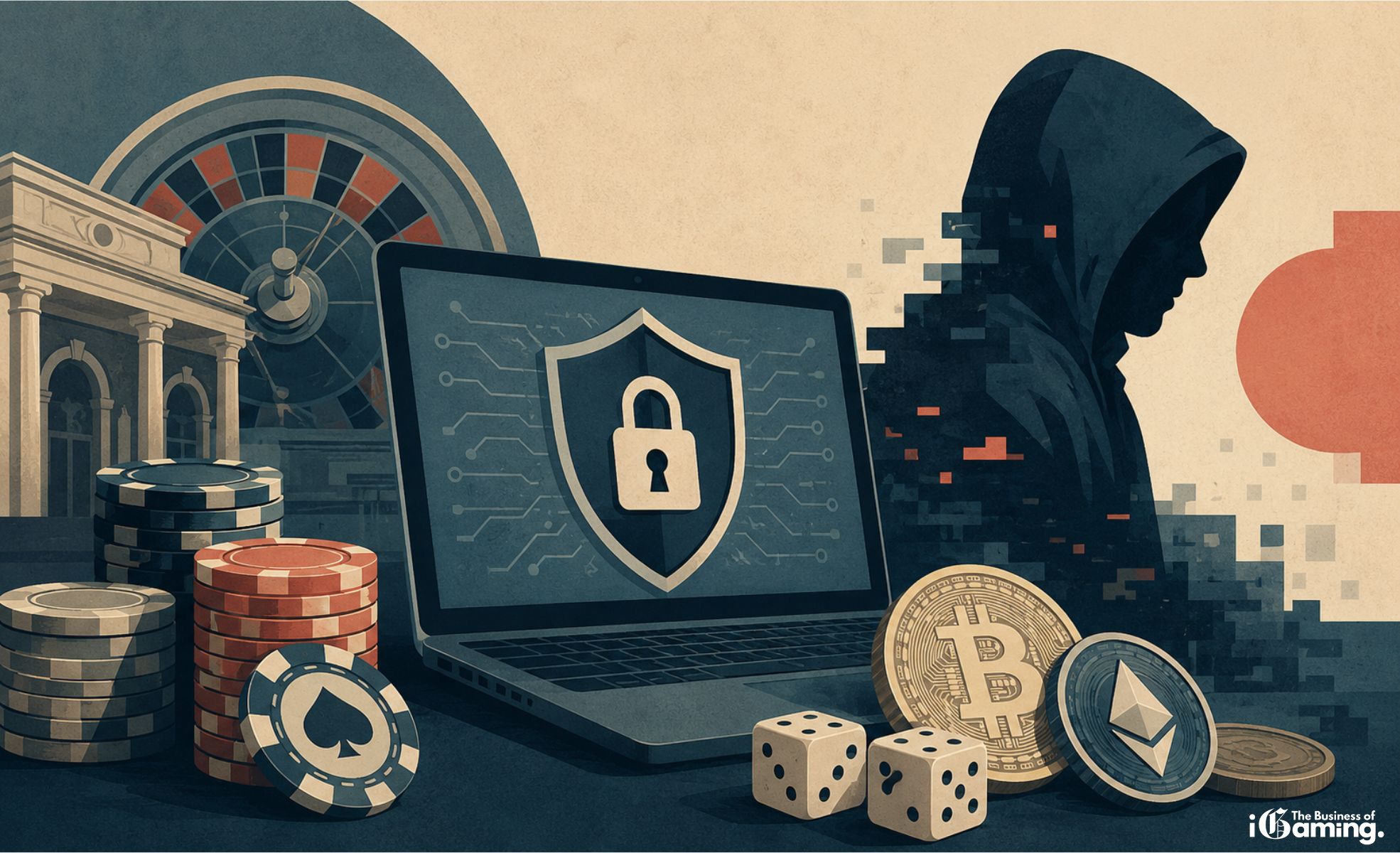




The casino has never really stood still. It started as a room, became a resort, moved onto the internet, and now sits partly on the blockchain. The games may look familiar, roulette wheels, cards, slots, live tables, but the machinery behind them has changed dramatically.
Crypto casinos are part of that latest shift. They’re not simply online casinos with a different payment button. At their best, they change how deposits work, how withdrawals are handled, how fairness can be checked, and how much personal financial information a player needs to hand over.
From Gambling Halls to Casino Resorts
Gambling venues have existed in some form for centuries, but the first recognised public casino is usually traced back to Venice in 1638. Known as the Ridotto, it was controlled by the authorities and gave the state a neat way to regulate, and profit from, a popular pastime.
Over time, casinos spread across Europe, America and Asia. By the twentieth century, the idea had grown well beyond a simple gambling room. From 1931 onwards, especially in places such as Las Vegas, the casino became part of a wider leisure package: hotels, restaurants, shows, shops, sports and nightlife all built around the gaming floor.
That model still matters. Monte Carlo, Atlantic City, Macao and Las Vegas remain famous because they sell an experience, not just a bet. But they also come with the limits of physical gambling. You have to be there. You need approved payment methods. You may need identification, membership or checks before you sit down to play.
What Traditional Casinos Have Always Relied On
A land-based casino is built around several familiar ideas. Players exchange ordinary money for chips or tokens, then use those at tables or machines. The games are designed with a mathematical advantage for the operator, often called the house edge.
In games such as roulette or blackjack, that edge is built into the rules and probabilities. In poker, where players compete against each other rather than the casino, the venue usually takes a cut of the pot. This is commonly known as the rake.
The traditional model can be exciting, social and highly polished. It can also be expensive to run. Buildings, staff, licences, gaming equipment, security and hospitality all add cost. Those costs are one reason the move online became so significant.
The Internet Changed the Casino Business
Online casinos began to appear in the mid-1990s. Gambling software was developed, secure online payments became more practical, and by the late 1990s hundreds of casino websites were already operating.
For operators, the appeal was obvious. They no longer needed a huge building, a floor full of machines or a city-centre location. New games could be added through software rather than by installing physical equipment. Running costs were lower, and the potential audience was much larger.
Players gained convenience too. Instead of travelling to a casino, they could play from home at any hour. Registration was quicker than joining many physical venues, and online platforms could offer bonuses, loyalty schemes and a wider rotating library of games.
RNGs, RTP and the Online Casino Experience
Online casino games generally use random number generators, often shortened to RNGs, to produce results. This allows digital games such as slots, roulette-style games and card games to operate without a physical wheel, deck or machine.
Another important term is RTP, or return to player. If a game lists an RTP of 95%, it means that, over a very large number of plays, the game is designed to return £95 for every £100 wagered. That doesn’t mean every player gets that outcome in a single session, of course. Short-term luck can swing sharply either way.
Even so, RTP gives players a clearer sense of a game’s expected long-term behaviour. It’s one of the ways online gambling became more transparent than the old casino floor, where most players simply accepted the odds as presented.
Where Crypto Casinos Fit In
The next major step arrived after Bitcoin launched in 2009. Bitcoin introduced a decentralised digital currency running on blockchain technology. That mattered because it allowed value to move online without relying entirely on banks, card networks or traditional payment processors.
In 2012, one of the earliest crypto gambling platforms appeared in the form of a simple Bitcoin dice game. It was basic by today’s standards, but it proved something important: bets and winnings could be handled directly through blockchain transactions.
Since then, crypto casinos have expanded far beyond single-game experiments. Many now support several cryptocurrencies and offer slots, table games, live dealer rooms and sports betting. Some industry estimates suggest there could be well over a thousand such platforms operating by 2026.
Why Players Are Interested in Crypto Casinos
The attraction isn’t just novelty. Crypto casinos offer practical differences that matter to regular online players, particularly around payments, privacy and game verification.
Faster Deposits and Withdrawals
Traditional online casino payments can be slowed down by banks, card providers and internal processing times. Withdrawals may take hours, days or longer depending on the method used.
Cryptocurrency transactions can be much quicker. In many cases, deposits arrive rapidly and withdrawals can be processed without waiting for a bank to approve the movement of funds. Speed still depends on the blockchain being used, network traffic and the casino’s own rules, but the overall experience is often faster than conventional payment routes.
Less Reliance on Payment Middlemen
Crypto payments reduce the need for third-party payment processors. That can mean lower transaction costs and fewer declined payments linked to banking restrictions. For players, it may also mean keeping more of their balance available for play rather than losing small amounts to repeated payment charges.
More Privacy, but Not Total Invisibility
Privacy is one of the reasons some players prefer crypto casinos. A cryptocurrency deposit doesn’t require card numbers or bank details to be shared with the casino in the same way as traditional payment methods.
That said, anonymity should not be overstated. Some platforms still require identity checks, especially where licensing rules apply. Blockchain transactions are also recorded publicly, even if they don’t display a player’s real name. So crypto can offer more financial privacy, but it isn’t a magic cloak.
Provably Fair Gaming
One of the most distinctive features of crypto casinos is provably fair gaming. This uses cryptographic methods to let players verify that a game result was not altered after a bet was placed.
In simple terms, the casino commits to an outcome mechanism before the result is revealed, and the player can later check the data behind it. This doesn’t remove the house edge, but it does give players a way to confirm that the result was generated fairly rather than manipulated behind the scenes.
Broader Access to Games and Bonuses
Because crypto casinos are built for digital payments, they often attract an international audience. Many offer large game libraries, including slots, blackjack, baccarat, roulette, crash games, live dealer tables and sports markets.
Bonuses are also common. These may include deposit matches, cashback, free spins, reload offers or VIP rewards. As with any gambling promotion, the important details sit in the terms, especially wagering requirements, withdrawal limits and eligible games.
Crypto Casinos Are Still Casinos
It’s worth being clear about one thing: crypto does not remove gambling risk. A fast withdrawal, a sleek interface or a provably fair system doesn’t guarantee profit. Casino games are still designed with an operator margin, and variance can be brutal in the short term.
Players should still check licensing, game providers, payment rules, bonus conditions and responsible gambling tools. The technology may be newer, but the need for caution is exactly the same.
The Likely Direction of Travel
Crypto casinos have grown because they solve some old frustrations in online gambling. Payments can be quicker. Fees can be lower. Fairness can be checked more openly. Players who already use digital currencies may find the whole process smoother than moving money through banks.
As blockchain technology becomes more familiar and cryptocurrencies remain part of mainstream financial conversation, crypto casinos are likely to keep developing. The strongest platforms will be the ones that combine speed and privacy with proper security, clear rules and credible games.
The casino floor hasn’t disappeared. Neither has the standard online casino. But crypto casinos have added a new layer to the industry, and it’s one that’s becoming harder to ignore.