


If you hold any meaningful amount of digital currency, cryptocurrency security is no longer a “nice to have” – it is the difference between keeping your assets and watching them vanish in a single, irreversible transaction. The threat landscape has shifted dramatically over the past eighteen months, and the criminals targeting crypto holders today look nothing like the hooded hackers of a few years ago. They are organised, well-funded, and increasingly powered by artificial intelligence.
The numbers tell the story. Chainalysis estimates that scammers extracted around $17 billion from crypto holders in 2025, with impersonation scams alone surging by roughly 1,400% year on year. The FBI’s Internet Crime Complaint Centre logged $11.36 billion in reported crypto fraud losses for the same period – and reporting rates are notoriously low, so the real figure is almost certainly higher.
This guide walks you through the threats that matter right now and the practical steps you can take to harden your defences.
Why Cryptocurrency Holders Are Such Attractive Targets
Crypto sits in a uniquely awkward spot for the average user. Transactions are irreversible, custody is largely your own responsibility, and there is no bank fraud department to ring at 3am when something goes wrong. Once funds leave your wallet, recovery is rare.
That combination – high value, no safety net, and a user base that often lacks deep technical knowledge – makes crypto holders the perfect mark. Criminals know that one successful phishing email can net more than a year’s worth of traditional card fraud.
The Biggest Cryptocurrency Security Threats Right Now
The attack surface has broadened considerably. Where exploits of smart contract code once dominated the headlines, the centre of gravity has moved firmly towards the human being holding the keys. Off-chain attacks – credential theft, social engineering and supply chain compromise – now account for the majority of stolen funds.
Phishing and Address Poisoning
Phishing remains the workhorse of crypto theft, but it has grown teeth. Modern phishing attacks include:
- Signature phishing, where you are tricked into signing a malicious transaction that grants attackers permission to drain your wallet
- Address poisoning, where a scammer sends you a tiny transaction from an address that mimics one you have used before, hoping you copy and paste it from your history when sending funds later
- Fake wallet update emails, often impersonating Ledger, Trezor or MetaMask, prompting you to “verify” your seed phrase
- Malicious browser extensions that quietly replace wallet addresses on the clipboard
Signature phishing losses jumped by over 200% in early 2026 compared with the previous month, even as the total number of victims fell. The attackers are going after fewer, wealthier targets.
AI-Powered Impersonation and Deepfakes
This is the genuinely new threat. Generative AI has industrialised impersonation. Scammers are now using cloned voices and live deepfake video to pose as exchange support agents, hardware wallet manufacturers, family members, or company executives. One investor reportedly lost $91 million to a social engineering attack in which scammers impersonated hardware wallet support staff.
If you receive an unexpected call, video chat or voice note about your crypto – even from someone you know – assume it could be synthetic until you have verified through a separate, trusted channel.
Fake Exchanges, Apps and Investment Platforms
“Pig butchering” scams continue to drain enormous sums. The pattern usually goes:
- A long, friendly conversation begins on a dating app, WhatsApp or social media
- The contact eventually mentions a “private” trading platform with extraordinary returns
- Small initial deposits pay out, building trust
- A larger deposit goes in – and then the platform either disappears or demands ever-increasing “tax” or “release” fees
The FBI attributes over $7 billion of last year’s reported crypto losses to investment scams of this kind.
Malware, SIM Swaps and Account Takeovers
If a criminal can take over your phone number, they can often reset your exchange password and bypass SMS-based two-factor authentication. SIM swap attacks remain alarmingly effective, particularly against UK mobile networks that still rely on call-centre staff for porting authorisation. Clipboard hijackers, infostealer malware and malicious browser extensions round out the toolkit.
Rug Pulls and Fraudulent Tokens
New tokens with hidden admin functions, fake liquidity, or developers holding undisclosed master keys remain a constant hazard. A high market capitalisation is no guarantee of legitimacy – it can simply reflect wash trading or trapped liquidity.
How to Protect Your Cryptocurrency: A Practical Defence Plan
Good cryptocurrency security is layered. No single tool will save you; the goal is to make yourself a hard enough target that attackers move on.
Move Anything Long-Term Into a Hardware Wallet
Hardware wallets – devices such as Ledger, Trezor and the newer generation of air-gapped options – keep your private keys offline. They are the single biggest upgrade most holders can make.
A hardware wallet protects you from:
- Malware on your computer or phone trying to read private keys
- Remote attacks on internet-connected “hot” wallets
- Physical theft of the device itself, provided your PIN holds
It will not, however, protect you from approving a malicious transaction or handing over your seed phrase to a convincing impersonator. The device is a tool, not a substitute for careful behaviour.
Treat Your Seed Phrase Like the Master Key It Is
Anyone with your 12 or 24-word recovery phrase owns your crypto. Full stop. There is no second factor, no recovery process, no customer service line that can help.
Best practice for seed phrase storage:
- Write it down by hand – never type it, photograph it, or paste it into any cloud service, password manager screenshot, or email draft
- Consider a metal backup plate (stamped or engraved steel) for fire and water resistance
- Store at least two copies in separate physical locations, such as a home safe and a bank deposit box
- Never enter your seed phrase into any website, support chat, or “wallet validation” tool – no legitimate provider will ever ask for it
- If you use a passphrase (the optional 25th word), back that up separately from the main seed
Lock Down Your Accounts and Devices
The basics still matter enormously:
- Use a dedicated email address for crypto exchanges that you do not share publicly or use for anything else
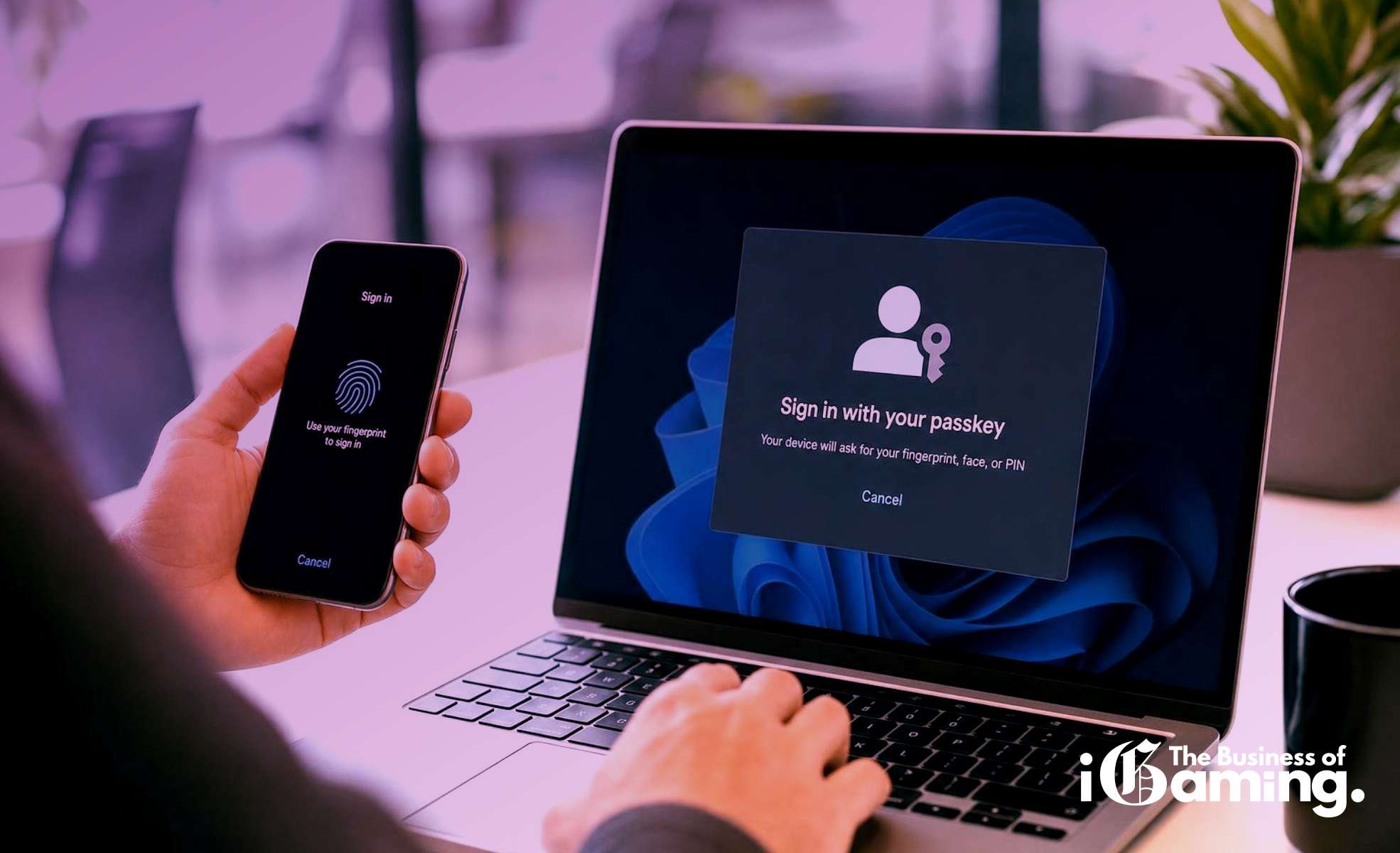
- Enable app-based two-factor authentication (Authy, Google Authenticator, or a hardware key such as YubiKey) rather than SMS, which is vulnerable to SIM swaps
- Set a PIN or port-protection code with your mobile provider to make SIM swapping harder
- Keep your operating system, browser and wallet software patched
- Run a reputable security suite on any device you use for trading
Verify Every Transaction Carefully
Most modern losses come from approving the wrong thing, not from being “hacked” in the technical sense:
- Always check the destination address character by character on your hardware wallet’s own screen, not just on your computer
- Send a small test transaction first when using a new address
- Read what you are signing – if a dApp asks for unlimited token approval, ask yourself whether it genuinely needs it
- Periodically review and revoke old token approvals using tools such as Revoke.cash
Be Ruthlessly Sceptical of Unsolicited Contact
If someone you do not know – or even someone you do – contacts you out of the blue about crypto, treat it as hostile until proven otherwise. That includes:
- Support agents reaching out first
- “Friends” with sudden investment opportunities
- Airdrop notifications you did not sign up for
- Job offers that involve installing software or running test transactions
Split Your Holdings
A simple but underused tactic: do not keep everything in one place. A common pattern is a small “hot wallet” on your phone for day-to-day spending, a hardware wallet for medium-term holdings, and a separate deep-cold setup for assets you do not intend to touch for years. If one layer is compromised, the others remain intact.
What to Do If You Think You Have Been Compromised
Speed matters. If you suspect your wallet has been breached:
- Move any remaining funds to a brand-new wallet generated on a clean device – do not reuse the compromised seed
- Revoke all outstanding token approvals
- Change passwords and 2FA on every exchange account, starting with the email address linked to them
- Report the incident to Action Fraud in the UK and to the exchange involved
- Document everything: transaction hashes, timestamps, communications. It rarely leads to recovery, but it is sometimes useful for tax loss claims or insurance
Building Habits That Actually Stick
Cryptocurrency security is not a one-off project. The threat landscape will keep shifting, and the criminals will keep finding new angles. The holders who come out of this decade with their portfolios intact will be the ones who treat security as an ongoing discipline rather than a checklist – slowing down before every transaction, questioning every unsolicited message, and assuming that anyone asking for their seed phrase is, by definition, a thief.
Move carefully. Verify everything. Trust no one who contacts you first. Done consistently, those three habits will protect you from the overwhelming majority of attacks in circulation today.