


Artificial intelligence is no longer a future concept in iGaming – it is becoming the infrastructure behind how modern platforms operate, compete, and grow. A series of recent integrations involving ZingBrain AI highlights just how quickly the industry is transitioning from manual processes to fully automated, data-driven ecosystems.
At the centre of this shift is one core function: personalisation at scale.
The End of the Static Casino Lobby
For years, casino lobbies have been manually curated. Operators would decide which games to promote, rotate collections based on campaigns, and rely heavily on internal assumptions about player preferences.
That model is now being replaced.
ZingBrain AI’s integrations with operators such as Boost Casino and Hondubet demonstrate how AI is transforming the lobby into a dynamic, self-optimising interface.
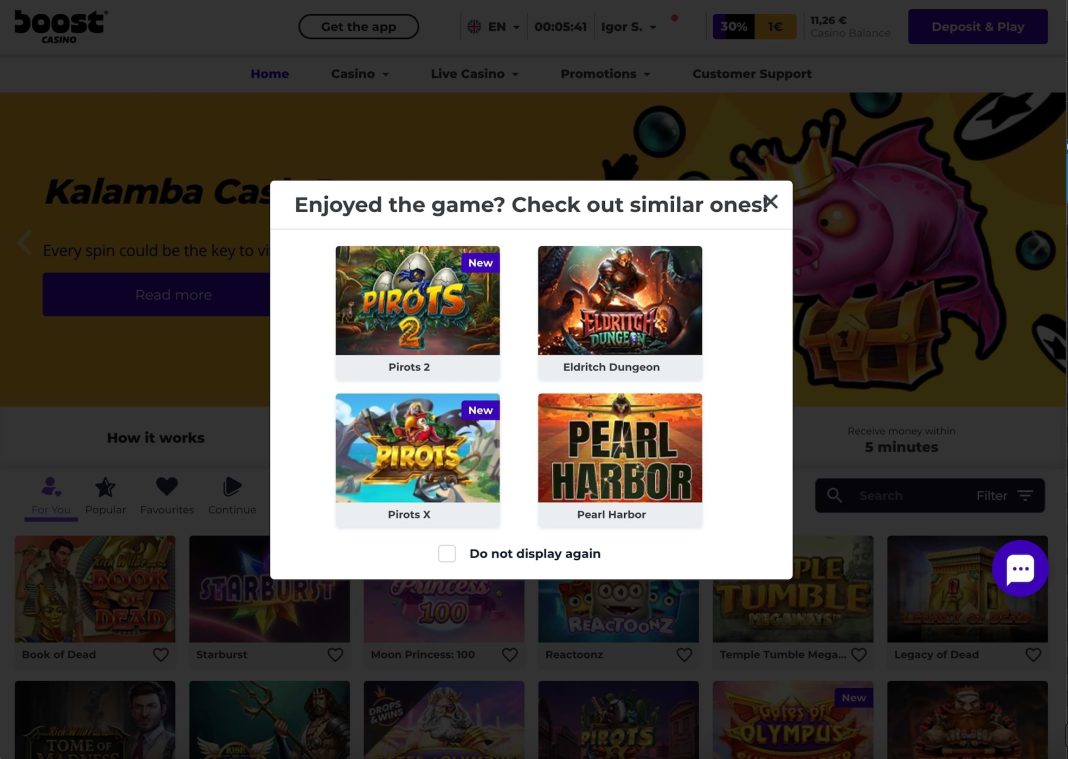
At Boost Casino, the transition involved replacing a static layout with an adaptive system built around real-time player behaviour. The platform now features:
- A personalised “Recommended” section combining familiar titles with new discoveries
- A “Similar Games” engine triggered after gameplay sessions
- Continuous adaptation based on player interaction signals
The impact was immediate. During testing, the brand recorded uplifts in turnover and gross gaming revenue (GGR) per player, alongside a broader increase in the number of unique games played.
More notably, recommendation modules eventually became the primary driver of game discovery, effectively replacing traditional lobby navigation.
From Experiment to Operating Model
A similar pattern emerged in ZingBrain’s integration with Hondubet, where the shift to a fully personalised, API-driven lobby delivered measurable improvements across both acquisition and retention metrics:
- +25% increase in GGR and turnover from new players
- +10% increase in total bets among existing users
- +25% increase in the number of unique games played
What stands out is not just the performance uplift – but the operational change.
Before AI integration, teams spent significant time manually updating lobby sections. After implementation, the system began self-adjusting in real time, allowing operators to shift focus from maintenance to strategy.
This is a recurring theme in AI adoption across iGaming – Automation is not just improving KPIs – it is redefining workflows.
AI as a Commercial Engine, Not Just a UX Tool
Beyond user experience, AI is increasingly being deployed to solve commercial challenges. ZingBrain’s system, for example, allows operators to prioritise specific games within personalised sections based on commercial agreements. If a promoted title underperforms, it is automatically replaced by more relevant content.
This creates a feedback loop where:
- Player preferences drive visibility
- Commercial priorities remain integrated
- Underperforming content is phased out in real time
The result is a continuous optimisation layer that aligns revenue goals with user satisfaction—something that has traditionally been difficult to balance.
The Scale Behind the Systems
The effectiveness of these systems is rooted in data volume and machine learning capabilities. According to the company’s own materials, ZingBrain AI has already analysed tens of billions of bets and millions of player profiles, enabling it to train models capable of predicting behaviour, churn, and player value.
Its broader platform includes:
- Churn and GGR prediction models
- VIP player detection systems
- CRM and API integrations for marketing automation
- Real-time dashboards for performance monitoring
In practical terms, this allows operators to move from reactive decision-making to predictive and automated optimisation.
A Wider Industry Shift
These case studies reflect a broader transformation taking place across iGaming.
Just as streaming platforms like Netflix and Spotify reshaped content discovery through recommendation engines, casinos are now undergoing a similar evolution. The lobby is no longer a static catalogue – it is becoming a personalised feed.
This shift is happening in parallel with other data-driven innovations, such as:
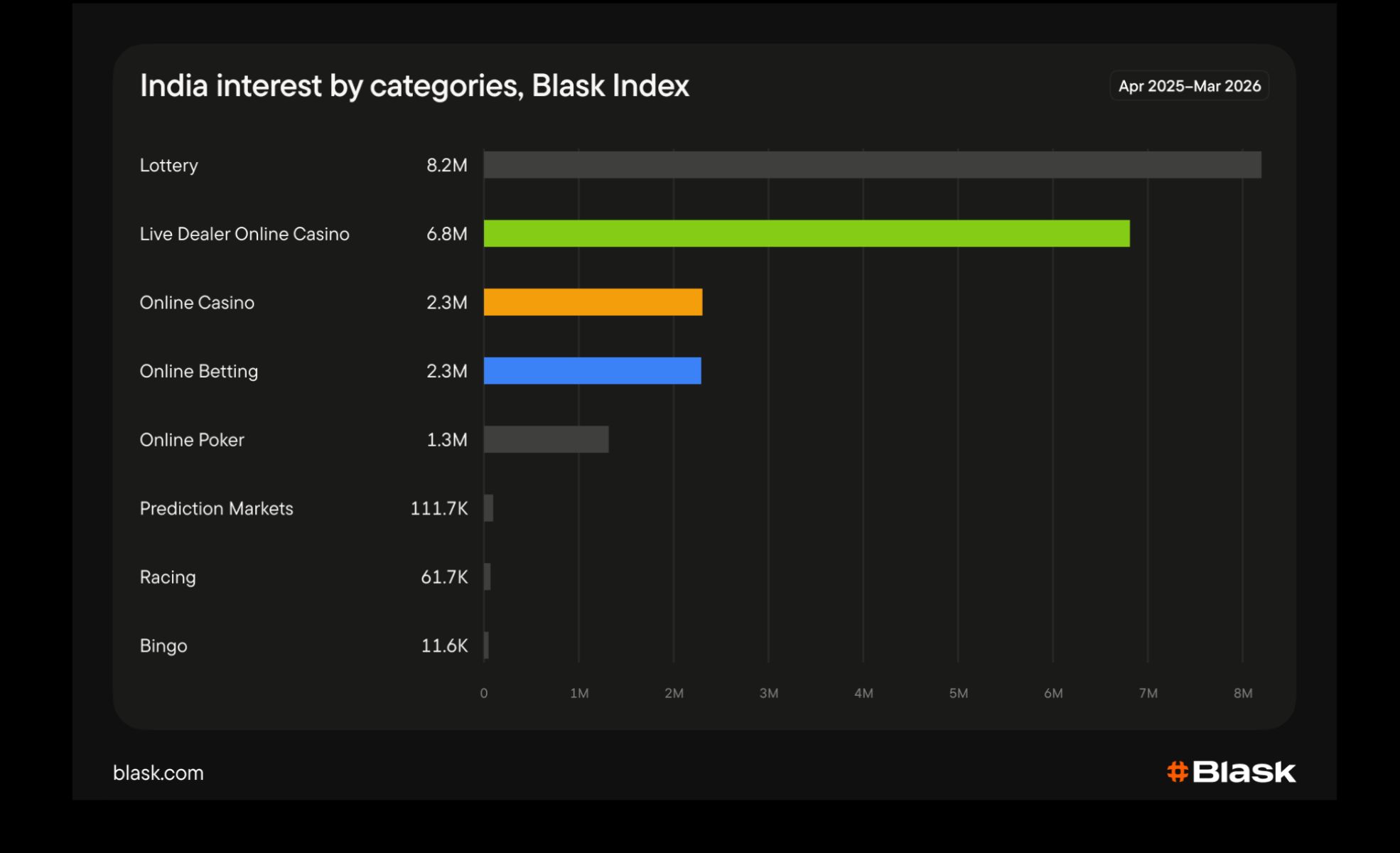
- Category-level demand analysis tools (e.g. from Blask)
- Real-time player segmentation
- AI-driven bonus and retention strategies
Together, these developments point toward a future where every player journey is uniquely tailored, and where performance is increasingly determined by how effectively operators can leverage data.
The Competitive Implication
For operators, the implications are clear. AI is no longer a differentiator; it is quickly becoming a baseline expectation.
Those still relying on manual curation and static structures risk falling behind in three critical areas:
- Player engagement
- Revenue optimisation
- Operational efficiency
Meanwhile, early adopters are building systems that improve continuously, learning from every interaction and refining the experience at scale.
The rise of AI in iGaming is not about a single feature or tool. It represents a structural shift in how platforms are built and operated.
From personalised lobbies to predictive analytics, the industry is moving toward a model where:
- Data replaces assumptions
- Automation replaces manual workflows
- Personalisation replaces standardisation
And as these systems mature, the gap between AI-driven operators and the rest of the market is only set to widen.